Older home slab leaks
Older Home Slab Leak Repair Services in Texas
Last reviewed
Slab construction became common in Texas in the 1950s and 1960s. Homes from that period have lived through decades of soil movement and water, and their pipes show it. Call and we’ll connect you with a local Texas crew for older home slab leak repair.
Tell us the age of the home and we’ll connect you with a local crew.
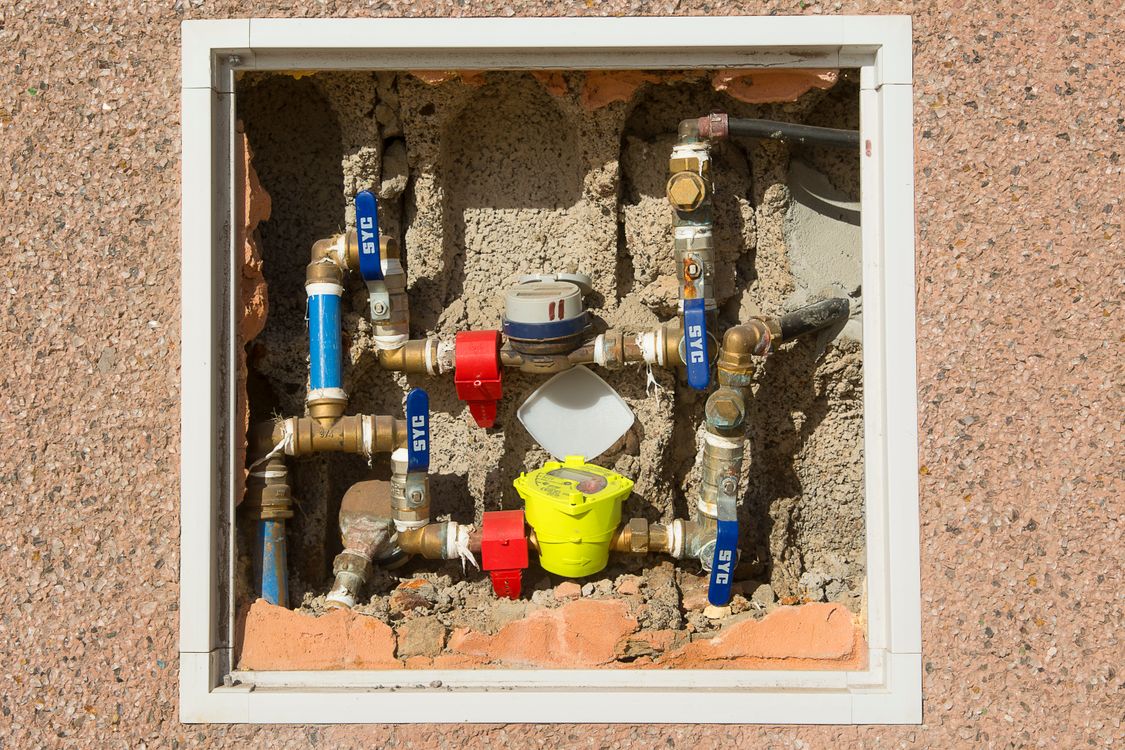
What is typically under the slab
- 1950s-1960s: galvanized steel supply lines were common in some homes. Copper became standard through the 1960s.
- 1960s-1980s: copper supply lines, often run beneath the slab. Cast iron drain lines.
- Late 1970s-mid-1990s: some homes have polybutylene. See polybutylene-era homes.
Many homes have had parts replaced over the years, so a technician confirms what you have.
Why older lines leak
- Decades of water chemistry acting on the inside of the pipe
- Movement of the slab and soil against the outside
- Corrosion of cast iron drains
- Joints and fittings that have loosened or worn
See copper pipe leaks under the slab and slab leaks and expansive clay.
Describe what you’ve noticed.
Signs worth taking seriously
- A water meter that moves with everything off
- A warm spot on the floor
- The sound of water at rest
- A bill that rises with no change in use
- Discolored water, or declining pressure
Planning for an older home
In an older house, a first leak is often a sign of more to come. Ask a technician:
- What is the pipe material, and how old is it?
- What is its condition at the leak?
- Which lines run under the slab?
- Would a reroute or partial repipe be worth considering now?
A technician can test the lines.
Options
The usual choices apply: spot repair, rerouting, lining where suitable and repiping. See them side by side in slab leak repair and replacement.
A local crew knows how homes in your area are usually plumbed.
Older neighborhoods in Texas
Older slab neighborhoods are found across Dallas-Fort Worth, including Garland, Mesquite, Irving, Arlington and Grand Prairie, in Houston’s established suburbs, around San Antonio and in many mid-sized Texas cities. Some older areas have pier-and-beam homes, which are a different construction type and not a slab. A technician can tell what you have.
Describe the signs you have seen.
Questions to ask the technician
An older house can have several pipe materials in one building, so it helps to arrive at the visit with questions. A technician may not be able to answer all of them before the leak is located, but the list sets expectations.
- What is the supply line made of in this house, and how was that confirmed?
- Is the leak in the slab, in the crawlspace, in the yard or in the wall?
- Are there signs the rest of the line is in similar condition?
- Would a spot repair, a reroute or a repipe be reasonable here, and why?
- What happens to the floor covering in each case?
Answers vary by house. If a leak has happened before, ask how the earlier repair affects the new options, and see repeat slab leaks.
What records can tell you
Records can save time on an older home. If you have the original plans, a previous inspection report, or receipts from earlier plumbing work, keep them where you can find them when you call.
Plans show where the builder intended the lines to run. They are not always accurate, since houses change over the years, but they give the technician a starting point. Earlier inspection reports may note the pipe material or past repairs. Receipts and notes from previous leaks show which lines have already been opened, rerouted or replaced.
If you have no records at all, that is common with older homes and not a problem. A technician confirms what is under the slab through testing and by looking at what is visible at the water heater, the main shutoff and the fixtures.
Additions and remodels
Many older homes have been added to over the decades. A den, an extra bedroom or an enlarged kitchen may sit on its own slab, poured years after the original house. The plumbing in that section can be a different material and follow a different route.
Remodels change things too. A kitchen moved to a new wall, a bathroom added where a closet used to be, or a laundry area relocated to the garage may each have meant new lines under or through the slab. Some of that work was done well, and some was done quickly.
If you know about any additions or remodels, mention them when you call. Where two slabs meet, lines can be under extra strain, and a technician will want to look closely at those transitions.
Older drain lines
Older homes often have cast iron drain lines under the slab. Cast iron is durable, but after several decades it can corrode from the inside, crack, or develop rough sections that catch debris. Joints can also separate as the soil moves.
Drain leaks behave differently from supply leaks. The water meter will not show them, because drain lines are not under pressure from the supply. Signs are more likely to be slow drains, odors, damp areas near bathrooms or the kitchen, or soft ground near the foundation.
A camera inspection is the usual way to see inside a drain line and find cracks, separations or root intrusion. If your older home has both supply and drain concerns, the technician may test both. See under-slab drain line leaks.
Galvanized steel in older homes
Some homes built before copper became standard have galvanized steel supply lines. Galvanized pipe corrodes from the inside, and the buildup narrows the pipe over time. Low water pressure, rust-colored water and slow-filling fixtures are common signs.
Under a slab, galvanized lines can leak at threaded joints or where corrosion has worn through the wall. Many homes that started with galvanized steel have since had some or all of it replaced, often with copper. Others still have original sections under the floor.
If your home is old enough to have had galvanized lines, ask the technician whether any remain. Where they do, the conversation about repair often moves toward replacing the remaining sections rather than patching one leak. See repiping after slab leaks.
Galvanized steel can also affect the copper connected to it. Where the two metals meet without a proper fitting between them, corrosion can speed up at the joint. A technician will look for these transitions at the water heater and the main shutoff.
Water quality matters as well. Rust-colored water after the house has been unused for a few days, or a metallic taste, can point to corroded steel somewhere in the system. Neither sign alone tells you where the pipe is or whether it is under the slab. Testing and a look at the visible pipe will narrow that down.
If galvanized lines are still in the house, it can also help to ask whether the main service line from the meter is steel. That line is outside the slab, but it is often the same age and can fail around the same time. Replacing both together can be simpler than doing them years apart.
Older home slab leak questions
Aging pipe has had more time to wear. Many older homes also have had repairs.
Often copper. Some homes have polybutylene or other materials. A technician can confirm.
That depends on the pipe, its condition and your plans. A technician can give a view.
Yes. Cast iron corrodes, and older joints can loosen.
Often. Ask about the condition of the rest of the line.
Some do. That is a different construction, and many have no slab.
Look at visible pipe. A technician can confirm hidden lines.
Check the meter with everything off.
Yes. See repiping after slab leaks.
Get your older home’s lines checked
Call and we’ll connect you with a local technician who knows older slab homes.
Ask about rerouting and repiping before a second leak.